

A Practical Guide to Ottoman Storage Ideas
Ottomans are the workhorses of flexible living: extra seating when guests arrive, a comfortable footrest after a long day, and—when chosen wisely—a secret stash spot that keeps everyday clutter out of sight. Whether you live in a compact studio or a spacious family home, the right ottoman can add both visual warmth and high-impact storage. This guide breaks down practical ottoman storage ideas, from construction types and room-by-room uses to smart organization systems and safety tips that help your piece perform for years.
Popular storage ottoman types
Understanding the basic construction styles will help you match function to your space and habits. Each type below suits different rooms and use patterns.
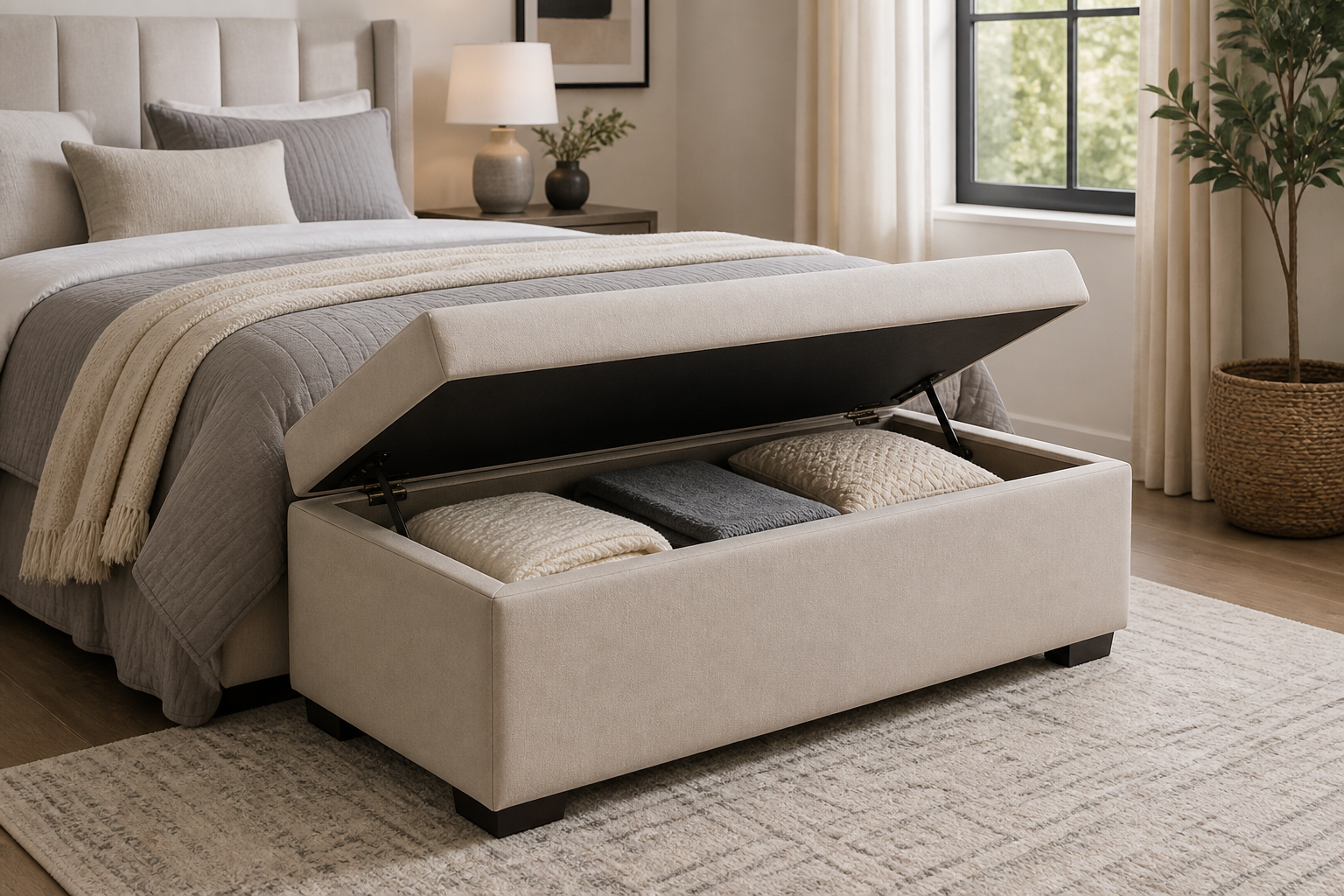
- Hinged-lid ottoman: A classic trunk-like design with a top that swings open. Great for quick access to throws, pillows, or kids’ toys. Look for soft-close hinges if you have little ones or prefer quieter operation.
- Lift-top ottoman: The top raises up and sometimes slides forward, creating a stable surface for laptops or dining. Storage space lives underneath. This is ideal for small living rooms where a coffee table must multitask.
- Tray-top ottoman: A reversible cushion with a flat tray underside. Flip to create a drink-friendly surface, flip back for a plush top. Storage can be either under the lid or via a shallow compartment.
- Drawer ottoman: One or more drawers glide out from the base. Perfect for organized categories like remotes, craft supplies, or game controllers without lifting a lid.
- Nesting cube set: Multiple small ottomans that tuck under a larger unit or coffee table. Use them as seats, footrests, and micro-storage for items like chargers or coasters.
- Bench ottoman: Long, narrow, and often suited to entries or the foot of a bed. Generous interior capacity for sheets, seasonal clothing, or bags.
- Round lidded ottoman: A soft, sculptural form for corners or beside accent chairs. Best for stashing light, soft goods.
Room-by-room ottoman storage ideas
Match the ottoman’s shape and internal configuration to what you actually need to put away and how often you’ll access it.
- Living room: Use a lift-top or tray-top as a coffee table that hides remotes, board games, and throws. A drawer-based unit keeps devices and cables tidy. If the living room doubles as a guest room, reserve part of the storage for sheets and a compact pillow.
- Bedroom: A bench ottoman at the foot of the bed corrals extra quilts and pillows. Smaller rounds can hide slippers, sleep masks, and paperbacks beside a lounge chair.
- Entryway or mudroom: A slim bench ottoman offers a seat for putting on shoes while storing scarves, umbrellas, dog leashes, or reusable shopping bags. Add labeled pouches to speed weekday departures.
- Home office: A compact cube with a tray-top can moonlight as a side table and hold spare notepads, sample swatches, or headset gear. Choose a height that aligns with seating for leg comfort.
- Kids’ room or play area: Hinged-lid models quickly swallow plush toys and blocks. Consider soft-close hardware and lightweight lids, plus interior baskets to group like-with-like.
- Media room: A larger square or rectangle can store gaming gear, VR accessories, and blankets. Drawer designs are handy for media remotes and charging docks.
- Studio or small apartment: Favor lift-tops with dining-height range so one piece serves as table, desk, and storage. If floor space is tight, two smaller cubes are easier to rearrange than a single large rectangle.
How to size an ottoman for your space
An ottoman that’s too tall or wide can disrupt flow, while one that’s undersized won’t provide enough storage. Use these guidelines to dial in a practical fit:
- Height: For footrests, target seat height minus 1–2 inches so your legs recline naturally. As a coffee-table alternative, aim near sofa-seat height for comfortable reach.
- Length and width: Leave 14–18 inches of clearance from sofa edges for walk-through space. In compact rooms, try 12–16 inches if circulation is tight.
- Proportions: Pair a long sectional with a rectangular bench or wide rectangle; sofas under 80 inches often balance better with a square or two cubes.
- Lid swing or lift: Measure vertical clearance for hinged lids and ensure there’s room to stand while opening. For lift-tops, check the extended footprint so it doesn’t collide with knees or other furniture.
- Capacity vs. weight: Bigger isn’t always better. Oversized, densely filled ottomans can be cumbersome to move. Choose the smallest volume that meets your storage goal.
What to store and how to organize it
Maximize the interior with a simple system. The goal is grab-and-go speed, not deep stacking that hides essentials.
- Soft goods: Rolls beat folds for throws and small blankets—standing them vertically makes it easier to see what you have.
- Remotes and electronics: Use a shallow caddy or divided pouch. Tuck spare batteries and charging cables into a zip bag to avoid tangles.
- Board games and cards: Store largest boxes flat at the bottom and keep card decks and dice in a small lidded bin on top.
- Kids’ toys: Group by type in soft baskets (blocks, plush, art). Color-coded bags help kids return items to the right spot.
- Clothing accessories: In bedrooms and entryways, dedicate one side to seasonal pieces like gloves and hats, and the other to everyday items like scarves.
- Paper and craft supplies: Use document envelopes and stack vertically like file folders for quick visibility.
Add these low-profile helpers for more order:
- Shallow trays for coasters and TV gear
- Fabric bins with handles for easy pull-out
- Zip pouches for cables and small tools
- Velcro cable ties to stop cord sprawl
- Silica gel packets for moisture-prone items like leather gloves
Multipurpose uses beyond storage
Lean into the ottoman’s versatility to reduce the number of separate pieces you need.
- Coffee table substitute: A tray-top or firm-upholstered surface hosts drinks and snacks, then flips to cushioned mode for lounging.
- Dining nook in small spaces: A lift-top can rise to dining or laptop height, creating an impromptu table without adding new furniture.
- Guest-ready kit: Stash a folded duvet, pillowcases, and a small toiletries pouch. When company arrives, everything is on standby.
- Pet corner: Keep grooming tools, toys, and a travel leash in one place. Choose durable, easy-clean fabrics.
- Foot-of-bed valet: Park tomorrow’s outfit inside and set a tray on top for jewelry or a book.
Materials, upholstery, and durability
Materials influence both longevity and how the ottoman ages visually. Choose with maintenance in mind:
- Performance fabrics: Tight weaves and stain-resistant finishes are good for high-traffic living rooms and households with kids or pets.
- Leather: Wipes clean easily and develops patina. Opt for a finish that suits your tolerance for scuffs and character.
- Woven or boucle textures: Add depth but can trap crumbs; use a handheld vacuum regularly.
- Wood or veneer tray-tops: Provide a firm surface for drinks; use coasters to reduce ring marks.
- Frames and glides: Solid internal framing and smooth bottom glides help the piece stand up to frequent opening and repositioning.
Small-space and apartment strategies
When square footage is precious, micro-adjustments make an outsized impact.
- Modular over monolithic: Two cubes or a pair of small rounds are easier to move aside, split for guests, and tuck under consoles.
- Go vertical inside: Choose interior bins that stack neatly and label the top edge so you can identify contents without removing them.
- Clear the floor: In very tight rooms, choose a lighter ottoman you can slide under a desk or window bench when not in use.
- Color-match to walls: In a compact space, low-contrast upholstery recedes visually, making the room feel larger while still offering storage.
- Dual-duty height: If you need it for both lounging and laptop work, test the lift-top at seated height to prevent wrist strain.
Styling tips that don’t sacrifice storage
Decorate the top without turning it into a landing zone that blocks access.
- Use a handled tray: Corral a candle, coaster stack, and a small vase on a tray you can lift off in one motion.
- Limit the pile: One throw blanket draped casually is stylish; three become a barrier. Keep extras inside.
- Mind symmetry with sectionals: A rectangular ottoman centered on the chaise junction keeps sightlines clean and movement predictable.
- Add soft contrast: If your sofa is smooth, a subtly textured ottoman adds interest. Keep colors within the same tone family for cohesion.
Safety and maintenance considerations
Thoughtful use preserves both the ottoman and what’s inside.
- Hinge safety: Keep fingers clear when closing. Soft-close or slow-release hinges can reduce the chance of accidental slams.
- Balanced loading: Distribute weight evenly to prevent tipping. Avoid overloading lids that double as seating surfaces.
- Protect delicate items: Place fragile objects in padded pouches and position them at the top where they won’t be crushed.
- Airflow: For textiles, rotate occasionally and air out interiors to prevent mustiness, especially in humid climates.
- Cleaning routine: Vacuum crevices, spot-clean promptly, and condition leather as recommended by the manufacturer of the material.
Buying checklist before you commit
Use this quick run-through to avoid common missteps and ensure your ottoman works hard from day one.
- Measure sofa-seat height and plan for 1–2 inches lower for footrest comfort.
- Confirm at least 14 inches of walkway clearance on all sides you’ll pass through.
- Mock the footprint with painter’s tape and place a serving tray to test reach.
- Open-and-close test: visualize lid swing, check hinge type, and ensure no wall art or sconce interferes.
- Inventory what you’ll store; choose interior bins sized to the ottoman before purchase.
- Decide on top functionality: cushion-only, reversible tray, or lift-top for laptop work.
- Check bottom glides or casters for easy movement on your floor type.
- Match upholstery care needs to your lifestyle (performance fabric, leather, or textured weave).
FAQ
What size ottoman works best as a coffee table replacement?
A good starting point is an ottoman roughly two-thirds the length of your sofa, set at or just below seat height. Ensure 14–18 inches of space around it for comfortable circulation, and consider a tray-top or firm surface if you expect to place drinks or laptops on it.
How can I keep the inside organized so it doesn’t become a catchall?
Define two or three categories you’ll actually maintain—such as throws, games, and remotes—and assign each a bin or pouch. Store the most frequently used items on top or in a drawer if your ottoman includes one. Review contents monthly and remove anything that doesn’t belong.
Is a lift-top or hinged lid better for small apartments?
It depends on how you’ll use it most. Lift-tops excel when one piece must act as a dining or laptop surface; hinged lids are simpler and often provide a larger single cavity for bulky soft goods. If space is extremely tight, two small cubes may outperform one large unit because they can be moved independently.
Can ottomans safely store heavier items like books?
Many ottomans can hold books, but weight adds up quickly. Distribute heavier items evenly and avoid overloading the lid, especially if it doubles as seating or a work surface. When in doubt, reserve the heaviest loads for lower shelves or dedicated book storage.