

You’re not choosing a color; you’re choosing how a piece will live with you. Luxury furniture materials—velvet, PU leather, linen, plus solid wood and metal frames—change how seats feel, clean, and age. For AFBDECOR shoppers across North America and in 6311 Inducon Corporate Dr Sanborn, matching material to daily use prevents regret later.
By AFBDECOR • Last updated: 2026-07-09
| Service area | USA & Canada (free shipping; Warehouse Sale items are local pick-up only) |
|---|---|
| Local experience | Appointment-based showroom in 6311 Inducon Corporate Dr Sanborn |
| Currencies | USD & CAD supported online |
| Catalog focus | Dining chairs and tables, sofas & sectionals, bedroom, lighting, mirrors, wall art |
Overview
Start with how the room is used, then choose the textile and frame. Upholstery dictates touch and cleaning; the frame determines stability and lifespan. At AFBDECOR, you can browse velvet, PU leather, and linen seats and confirm solid wood or metal bases for the right balance of feel and durability.
From our showroom notes: most returns aren’t about style—they’re about maintenance surprises. That’s why we map each material to real AFBDECOR pieces below, with straight talk on what works for kids, pets, hosting, and bright, sun‑filled rooms.
The 5 Luxury Furniture Materials (and What to Expect From Each)
Luxury furniture materials break into three upholstery families—velvet, PU leather, and linen—and two frame types: solid wood and metal. Each has a distinct hand‑feel, cleaning rhythm, and aging pattern. Choose by daily use first; then refine by color and silhouette.
What we look for on the floor: consistent nap on velvet, even grain and stitch tension on PU leather, a tight weave on linen, and frames with corner blocks or cross‑bracing that feel rigid when you rock the seat diagonally.
Velvet — The Easiest Way to Add Richness (See It in AFBDECOR Chairs)
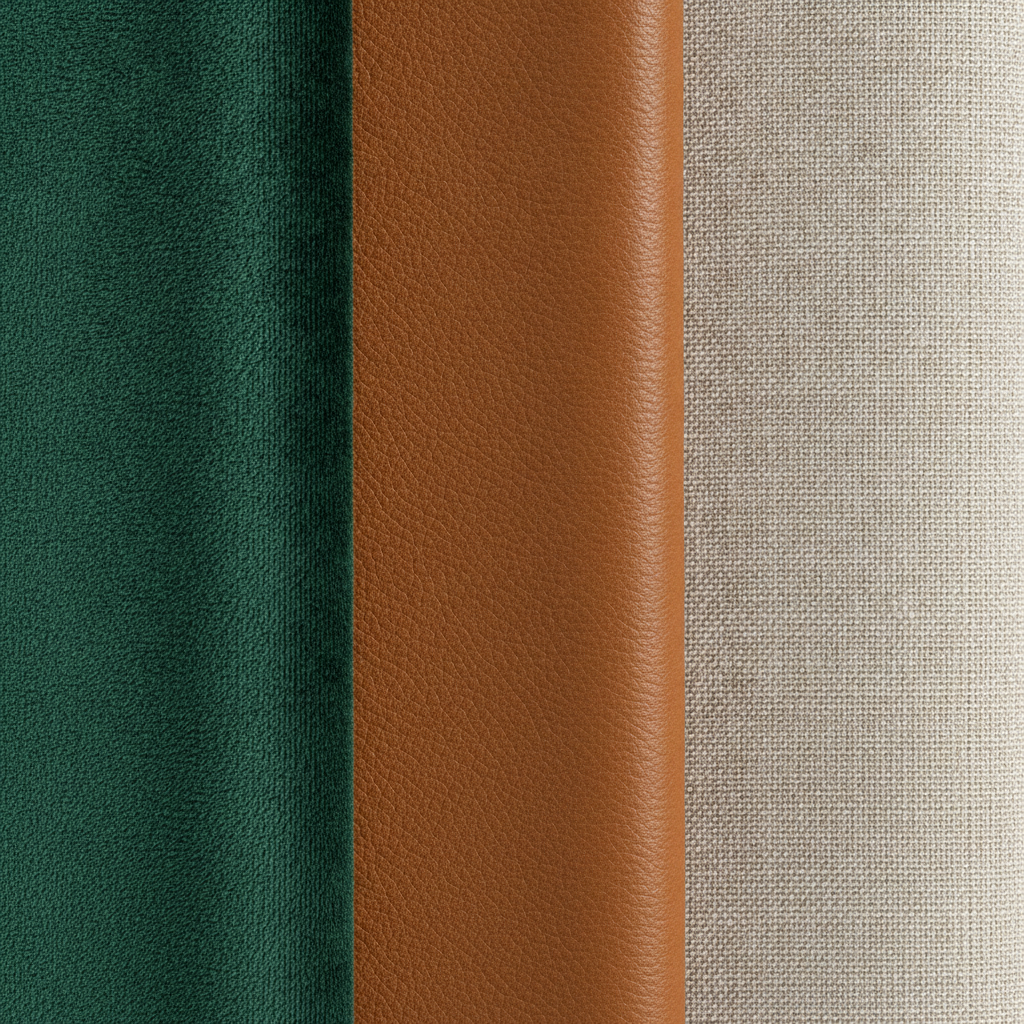
Use velvet when you want saturated color and theater‑level depth. It loves evening light, softens acoustics, and turns dining into a moment. Maintenance is light but consistent: vacuum with a soft brush and address spills promptly to keep the pile standing and color even.
Practical insight: velvet’s pile has a direction. Under pendants, you’ll see subtle shade shifts where hands brush the seat—normal for quality velvet. Short‑pile velvets read crisper and show fewer marks; longer piles feel lusher but need more brushing.
Where it excels
• Dining accents and side chairs that add a pop of color without reupholstering the whole room.
• Sofas in low‑mess lounges where you relax with a book, not a plate of pasta.
What to buy here
• For a plush dining moment with tailored lines, see the Velvet Dining Chair.
• Prefer a slim, modern profile with a touchable seat? Compare the Dorian Velvety Chair.
Hard‑stance advice: if you have kids under 10 or a cat that likes to climb, skip velvet on everyday dining seats. Use it on an accent chair or a living room sofa with a throw you don’t mind washing.
PU Leather — The Practical Luxury Choice
Choose PU leather for wipe‑clean surfaces in busy spaces. It brings a refined, uniform look and shrugs off most meal‑time messes with a damp cloth. In family dining rooms and rentals, it’s the safest bet for staying polished with minimal upkeep.
Real‑world note: PU leather is less breathable than linen and can feel cooler to the touch in winter. Keep seats a few inches from heating vents and avoid direct sun to preserve finish elasticity. Stitch spacing should be tight and even; loose stitches telegraph early wear.
Where it excels
• Everyday dining, breakfast nooks, home offices, and bar seating.
• Entry‑adjacent dining zones that see snow, slush, or sand—fast wipe‑downs matter.
What to buy here
• For streamlined comfort through long dinners, the Dorian PU Leather Chair is our go‑to recommendation.
• Want a different back angle and silhouette? Compare with the Medley PU Leather Chair.
Hard‑stance advice: have pets, teens, or frequent game nights? Put PU leather on the seat, period. It’s the low‑stress path to a room that still looks intentional by spring.
Solid Wood and Metal Frames — Why the Base Material Matters as Much as the Upholstery
Frames carry load, manage flex, and decide how a chair or sofa feels after year five. Solid wood offers warmth and repairability; metal enables slim, strong silhouettes. Prioritize joinery and cross‑bracing over weight alone for long‑term stability.
What to check in person: rock the seat corner‑to‑corner—quality frames resist twist. Look for corner blocks on wood frames and properly torqued hardware on metal frames. On wire designs, the welds should be smooth, not beaded or sharp.
Category examples
• Dining: sculpted wood frames bring tactile edges and an inviting grip when you pull the chair in; metal wire chairs deliver airiness around a heavy table top.
• Lounge: a wood shell with a metal base blends warmth with anchored support—ideal for reading corners and longer sits.
• Bedroom: solid wood bed rails with proper center support prevent squeaks as humidity swings through the year.
Maintenance we recommend: after 2–4 weeks of use, re‑check accessible fasteners. Homes settle, floors aren’t perfectly flat, and hardware can ease. Five minutes with a hex key prevents micro‑wobble from becoming a habit.
Linen — The Understated Luxury Option
Pick linen for breathable comfort and a matte, relaxed finish. It reads natural and airy in bright rooms, softening over time. Expect light creasing—that’s part of linen’s character—balanced by a cool hand in warm months.
Showroom cue: run your fingers across the weave—tighter linen feels crisper and shows fewer impressions, while looser weaves feel softer and casual. In sun‑heavy rooms, linen stays comfortable where vinyl‑coated materials can grow tacky.
Where it excels
• Sunrooms and bright dining spaces where airflow and cool touch matter.
• Sofas and sectionals in relaxed interiors—Scandi, coastal, or organic modern.
What to buy here
• For structured comfort with breathability, start with the Dorian Linen Chair. If you favor similar looks across a room, explore linen‑upholstered benches or consider slipcovered sofas for easy seasonal refreshes.
Care basics: vacuum seams and surfaces, blot (don’t rub) spills, and rotate seating to balance window exposure. If you like linen’s look but want fewer wrinkles, blends that add a small percentage of synthetic fiber can help.
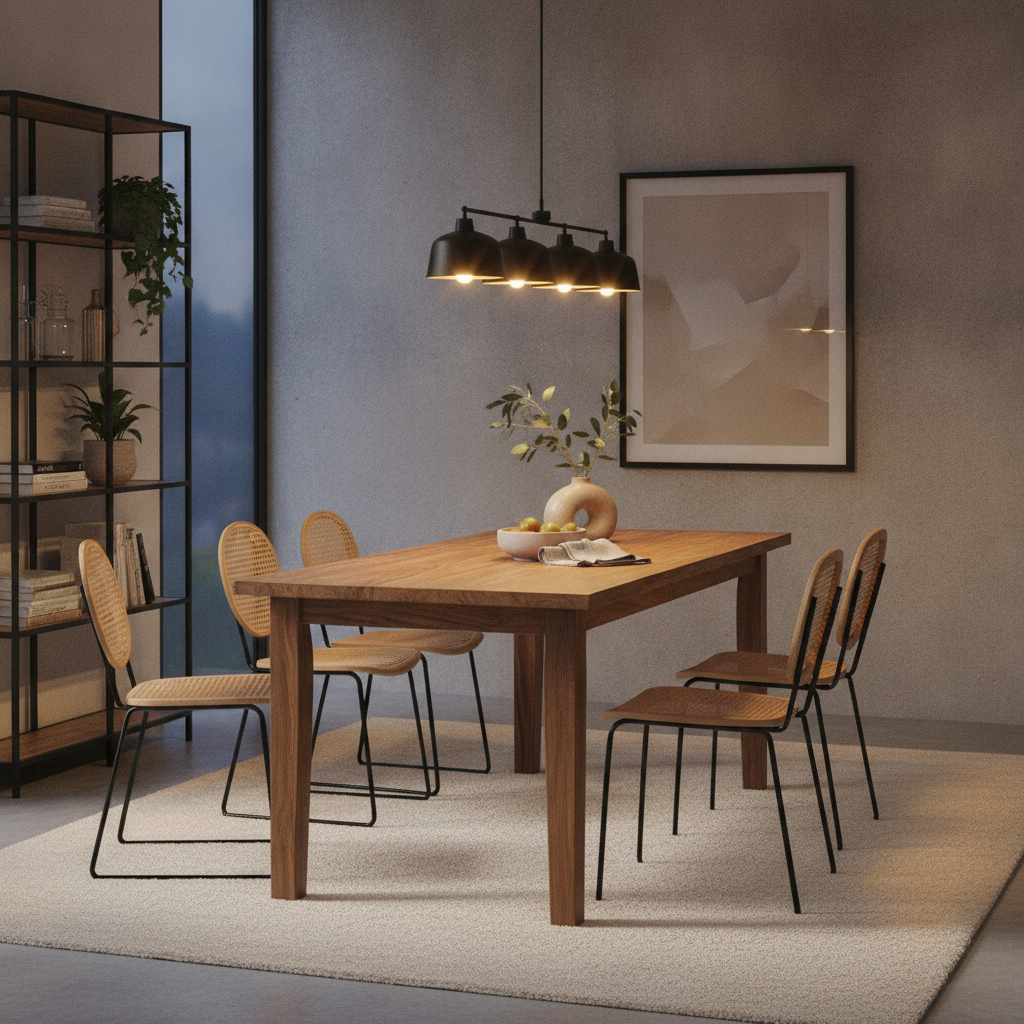
Book an appointment at our Sanborn showroom to compare velvet, PU leather, and linen side by side, or explore shipping‑friendly options online with free delivery across the USA and Canada (Warehouse Sale items are local pick‑up only).
How to Choose the Right Material for Your Room and Lifestyle
Decide by priority: wipe‑clean (PU leather), breathable (linen), or visual drama (velvet). Then confirm a supportive frame—solid wood or metal with proper joinery—and choose tones that work with flooring and daylight. Test‑sit when possible to gauge back angle and edge comfort.
Step‑by‑step
- List real mess risks (pets, art projects, late‑night snacks). If the list is long, start with PU leather.
- Assess light and climate. South‑facing windows and warm kitchens favor linen’s cool hand.
- Check frame integrity. Look for corner blocks, cross‑bracing, and smooth welds.
- Confirm cleanability. Practice a blot test on a fabric swatch and review care on the product page.
- Shortlist by silhouette and seat time. A slimmer profile might be perfect for quick meals; deeper seats suit long conversations.
Local considerations for 6311 Inducon Corporate Dr Sanborn
- Winter slush is real—PU leather dining seats make post‑meal wipe‑downs easy after snowy days.
- Bright summer light favors linen’s breathability in kitchens and sunrooms—pair with UV‑aware window treatments.
- Appointment slots let you compare velvet vs. linen under the same showroom lighting before committing to a full dining set.
Texture and upkeep trends matter too. For longevity, Shopify’s home furniture guide underscores simple, regular maintenance over occasional deep cleans. And for styling, the minimalist lines highlighted in Shopify’s style overview pair naturally with slim metal frames and tightly tailored upholstery.
FAQ
Straight answers to common material questions—from everyday dining to pet‑friendly picks—so you can choose fast and buy once.
Is velvet realistic for everyday dining?
It can be, but plan for routine care. Use short‑pile velvet, vacuum with a soft brush weekly, and blot spills quickly. In busy households, reserve velvet for accent chairs or living rooms and put PU leather on everyday dining seats.
What material is most pet‑friendly?
PU leather wins for fast cleanup and a uniform grain that hides light scuffs. Linen breathes well but can snag on claws; velvet shows directional marks. For cats or large dogs, choose PU leather for dining seats and keep a washable throw on lounge pieces.
How do I judge a quality frame quickly?
Rock the chair corner‑to‑corner to check twist, inspect for corner blocks on wood frames, and look for smooth, consistent welds on metal. Sit and shift—there shouldn’t be creaks. Plan a fastener re‑check after a few weeks as everything beds in.
Does linen always look wrinkled?
Linen has a relaxed, matte texture with natural creasing—that’s part of its appeal. Choose tighter weaves and structured silhouettes for a crisper read, vacuum seams routinely, and rotate seating to keep sunlight from exaggerating folds.
Key Takeaways
- Decide by lifestyle: PU leather for wipe‑clean dining, linen for breathable comfort, velvet for statement accents.
- Confirm the frame: solid wood or metal with proper joinery resists wobble and ages better than weight alone suggests.
- Use product pages like Velvet Dining Chair, Dorian PU Leather Chair, and Dorian Linen Chair to compare care and silhouettes.
- Re‑check hardware after the first month; it’s a five‑minute habit that adds years of solid feel.
Ready to match material to your space? Explore AFBDECOR’s velvet, PU leather, and linen designs online with free USA/Canada shipping (Warehouse Sale items are local pick‑up), or book a showroom visit in 6311 Inducon Corporate Dr Sanborn to feel finishes side by side.