

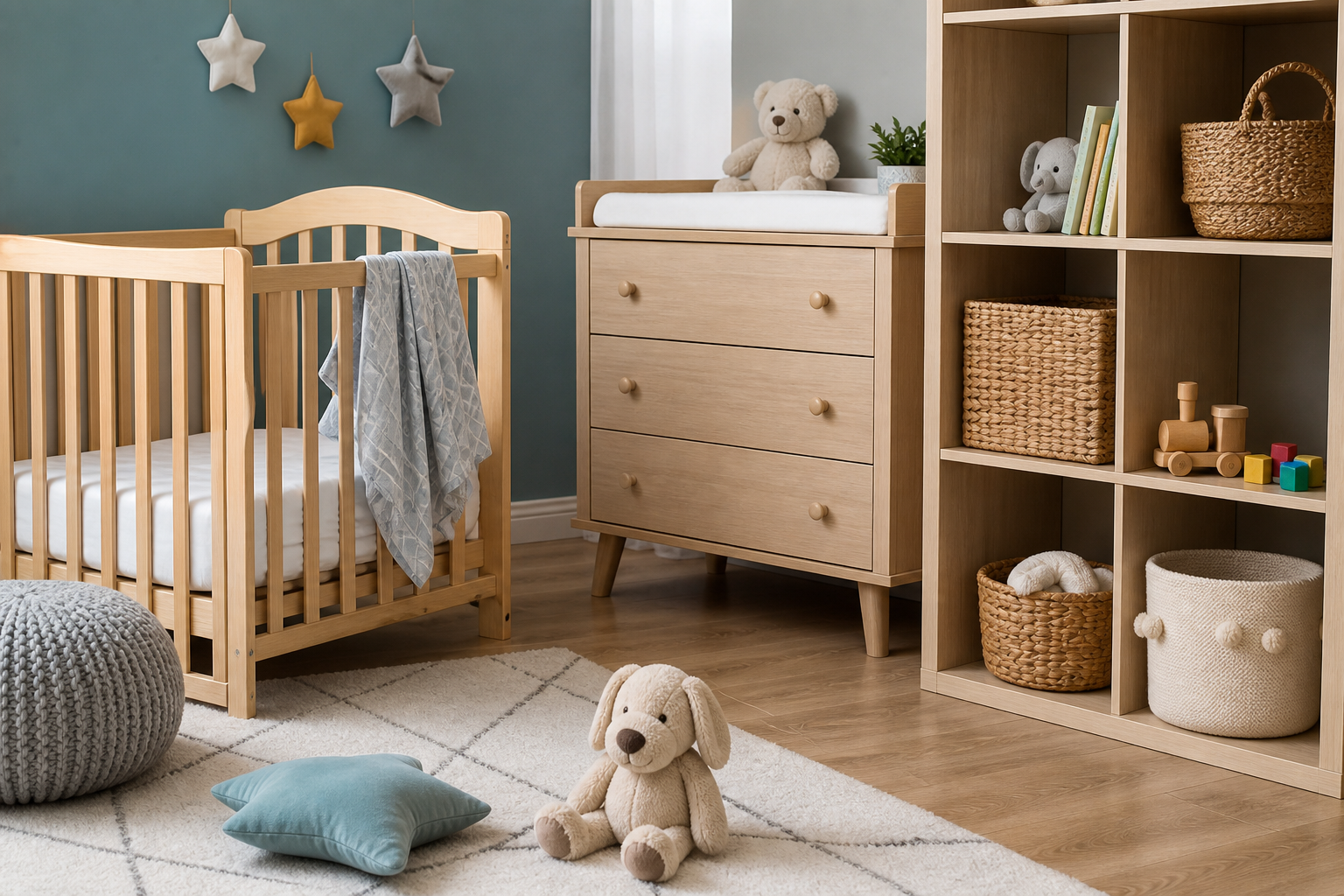
Kids furniture safety tips for every room
Creating a kid-friendly home is less about buying special gear and more about making smart choices with what you already own. These kids furniture safety tips focus on practical steps you can apply to any space—whether you’re setting up a nursery, refreshing a shared living room, or rethinking a tween’s study nook. Use the checklists and room-by-room breakdowns below to identify risks, make quick fixes, and keep improvements easy to maintain over time.
How common furniture accidents happen at home
Most furniture-related injuries in homes come down to the same patterns: unstable pieces that tip when climbed, hard edges at a child’s height, pinch points in lids and hinges, and unsecured items placed within tempting reach. Understanding these patterns makes prevention straightforward.
- Tip-overs: Tall, narrow, or lightly loaded pieces (like empty dressers or bookcases) are easier to tip if a child climbs or pulls on drawers and shelves.
- Impact zones: Coffee tables, bed frames, and low consoles often sit right at forehead level for toddlers.
- Pinch points: Toy chests, ottoman lids, and hinged benches can close on small fingers.
- Entanglement: Dangling cords from lamps, blinds, or electronics can snag or be pulled.
- Hidden hazards: Unsecured TVs, glass decor, or heavy objects on high shelves can fall during play.
A must-have checklist before kids use a room
Run through this quick list whenever you rearrange furniture or introduce a new piece.
- Anchor tall and top-heavy items to studs with anti-tip straps or brackets.
- Secure the TV (wall-mount to studs or strap to a stable base and the wall).
- Check stability: Give each piece a firm shake—if it rocks, fix or reposition it.
- Lower heavy storage: Keep the heaviest items in lower drawers or shelves.
- Soften edges: Add corner/edge guards on coffee tables, consoles, and nightstands.
- Eliminate climb invites: Don’t place toys, remotes, or decor on top surfaces kids might scale.
- Manage cords: Shorten, clip, or conceal lamp and device cords; avoid under-rug tripping paths.
- Choose slow-close: Use soft-close hinges or dampers on lids and cabinet doors where possible.
- Mind spacing: Leave clear pathways (especially around beds) and avoid toe-stub traps.
- Test reach zones: Store everyday kid items within easy reach to discourage climbing.
Nursery and toddler room: safer starts
Small changes can make a big difference when little ones are most curious and unsteady.
- Crib and bed vicinity: Keep side tables, lamps, and wall art far enough that little hands can’t grab them from the mattress. Leave a buffer zone on each side of the sleep area.
- Low, stable storage: Favor wide-base dressers and low bins. Always anchor dressers, even compact ones, and use drawer stops or child-resistant latches where helpful.
- Changing area: Choose a sturdy surface and position it against a wall on a non-slip rug or mat. Keep essentials within arm’s reach so you never step away.
- Glider or lounge chair: Place a durable side table behind armrests or just out of direct reach so kids can’t climb it like a ladder.
- Rugs and mats: Use rug pads sized correctly to the rug to prevent edges from curling and causing trips.
Shared living spaces: balancing style and safety
Living and family rooms do double duty—relaxing for adults and play space for kids. Make these zones flexible and forgiving.
- Coffee and side tables: Opt for rounded profiles or add clear corner guards. Keep heavy trays and decor centered, not at edges.
- TV and media: Wall-mount the TV into studs or use a sturdy stand strapped to the wall. Route cables through cord channels and store remotes in low baskets to prevent climbing.
- Sofas and sectionals: Confirm legs are fully tightened and frames don’t rock. If using modular pieces, fasten connectors so segments don’t separate under play.
- Lighting: Floor lamps should have weighted bases and sit where traffic won’t bump them. For table lamps, manage extra cord length with clips behind furniture.
- Mirrors and wall art: Mount with hardware rated for the item’s weight into studs or appropriate anchors; avoid leaning heavy glass in active play areas.
Dining and kitchen nooks: sit smart, store smart
Mealtimes bring movement—kids hop up and down, and chairs slide across floors. Aim for controlled motion and clear zones.
- Chairs and stools: Place seating on non-slip felt or rubber pads. Keep stools stable and away from counters holding hot items.
- Table edges: Add discreet edge guards if a table sits at a toddler’s brow level or if running through the space is common.
- Storage cabinets: Install soft-close hardware or dampers to minimize slams and pinches.
- Display shelves: Avoid glassware or heavy ceramics on open shelves within child reach.
Older kids and study areas: independence without risk
As kids grow, they handle more on their own. Keep spaces supportive without inviting shortcuts that cause falls or tip-overs.
- Desks and chairs: Ensure desk legs are even and chair casters roll smoothly without wobble. If the chair height is adjustable, confirm the lock works and can’t slip.
- Bookshelves: Anchor tall units and distribute weight low. Leave top shelves for light, soft items only.
- Charging hubs: Use short cables or a cable box to avoid snags. Keep power strips off the floor where feet can’t catch them.
- Displays and trophies: Secure with museum putty or keep on lower shelves.
Choosing safer materials and finishes
You don’t have to compromise aesthetics to make materials kid-considerate. Look for durability, easy upkeep, and reduced injury potential.
- Upholstery: Performance fabrics and tightly woven textiles resist snags and are easier to spot-clean, reducing the urge to pull on loose threads.
- Wood and veneers: A smooth, well-sanded finish helps prevent splinters; regularly check for chips on high-touch edges like drawer fronts.
- Metal frames: Rounded tubing and deburred edges are friendlier to curious hands and knees.
- Glass surfaces: Tempered glass is stronger than standard glass; still, place glass away from primary play zones and anchor frames securely.
- Hardware and hinges: Soft-close or damped hinges reduce slam force. Rounded pulls can be kinder to small hands than sharp, angular hardware.
Anchoring and installation: small steps, big stability
Anchoring is the single most effective way to reduce tip-over risk. A few practical notes make the job easier and more reliable.
- Find structure: Mount straps or brackets into wall studs when possible. If not, use wall anchors rated for the item’s weight and wall type.
- Use two points: Two straps or brackets spaced apart provide better resistance than one centered anchor.
- Mind the load: Place the heaviest items in bottom drawers or on lower shelves to lower the center of gravity.
- TV specifics: Even on a low console, strap the TV to both the console and the wall; don’t rely on the stand alone.
- Periodic retightening: Temperature and humidity changes can loosen hardware; check and retighten on a set schedule.
Layout and spacing: design that steers behavior
A strategic layout reduces the chance that kids will use furniture in unintended ways.
- Avoid stepping stones: Don’t place an ottoman right under a windowsill or a side table next to a tall shelf—these create “ladders.”
- Create clear lanes: Leave uncluttered paths from doors to seating and from beds to the bathroom to lower trip risks in daytime and at night.
- Keep temptations low: Provide accessible bins and shelves for favorite items so kids don’t climb to reach them.
- Soften collision points: Angle sharp-cornered pieces out of main traffic paths or use rounded alternatives for high-traffic spots.
Upkeep and inspections: make safety a habit
Furniture safety isn’t one-and-done—it improves with small, regular check-ins. Tie inspections to recurring tasks (like monthly cleaning) so they actually happen.
- Monthly: Check anchors, straps, and wall mounts for play. Tighten screws on bed frames, chairs, and table legs.
- Quarterly: Inspect hinges and soft-close hardware for smooth operation; replace worn bumpers or edge guards.
- After rearranging: Re-test stability whenever you move pieces or change what’s stored where.
- Seasonal: Humidity shifts can loosen joinery—look for wobbles and hairline gaps and tighten as needed.
Teaching safe habits without stifling play
Environment matters, but so does modeling. A few consistent messages go a long way.
- “Feet on floors, not furniture”: Reinforce that chairs and shelves aren’t ladders.
- “Ask before reaching high”: Encourage kids to request help for items above their shoulder height.
- “Close gently”: Practice slow-closing lids and drawers together so the motion becomes automatic.
- “Put it back low”: Return toys and books to lower bins to remove the urge to climb.
Quick room audits you can do today
Use these 10-minute sweeps to spot and fix the biggest risks fast.
- Living room: Try to tip your TV console and any bookcase—if there’s movement, anchor today.
- Kids’ room: Open all dresser drawers at once while stabilizing the unit—if it wants to pitch forward, add straps and redistribute weight to the bottom drawers.
- Hallway: Check for console tables that wobble when brushed; tighten leg hardware and add non-slip pads.
- Play area: Sit at kid height and scan for sharp edges and hanging cords; reposition or add guards and clips.
- Entry: If benches or storage cubes have lids, confirm slow-close action or add soft-close supports.
When to repair, replace, or retire a piece
Some issues are better fixed than finessed. If any of the following apply, consider repair or replacement:
- Structural cracks in load-bearing parts like chair legs, bed rails, or shelf uprights.
- Repeated loosening of the same joint despite proper tightening and threadlocker.
- Warped tops or frames that won’t sit flat and can’t be leveled with pads.
- Damaged or missing glass fasteners, mirror clips, or backing hardware.
- Lids without any damping mechanism in spaces used by young kids.
FAQ: practical answers to common questions
How often should I check anti-tip straps and wall anchors?
Build a simple routine: give anchored pieces a firm test monthly, then retighten or replace hardware at the first sign of slack or movement. Also recheck after any room shuffle, deep clean, or seasonal humidity shift.
What’s the safest place for a TV in a kid-friendly living room?
A wall mount fastened into studs keeps a TV out of reach and reduces tip risk. If wall-mounting isn’t an option, place the TV on a sturdy, low console and secure it with straps to both the console and the wall. Keep remotes and game controllers in low bins so kids don’t climb to reach them.
How do I make a coffee table safer without replacing it?
Add low-profile corner and edge guards, center heavy trays and decor away from edges, and use a rug pad under nearby rugs to prevent slips. If the table still sits in a collision path, try angling it slightly off the main traffic lane.
Are soft-close hinges worth installing on toy chests and benches?
Yes—damped or soft-close hardware reduces slam force and helps prevent pinched fingers. Pair this with teaching kids to guide lids down slowly so the habit matches the hardware’s intent.
Where should I keep heavy items like books or electronics?
Store the heaviest items on lower shelves or in bottom drawers. This lowers the center of gravity and makes furniture less likely to tip if pulled or climbed.